Let’s Talk About Sex (Because Your Clients Already Are)

A lovingly curated starter pack for sex-curious therapists.
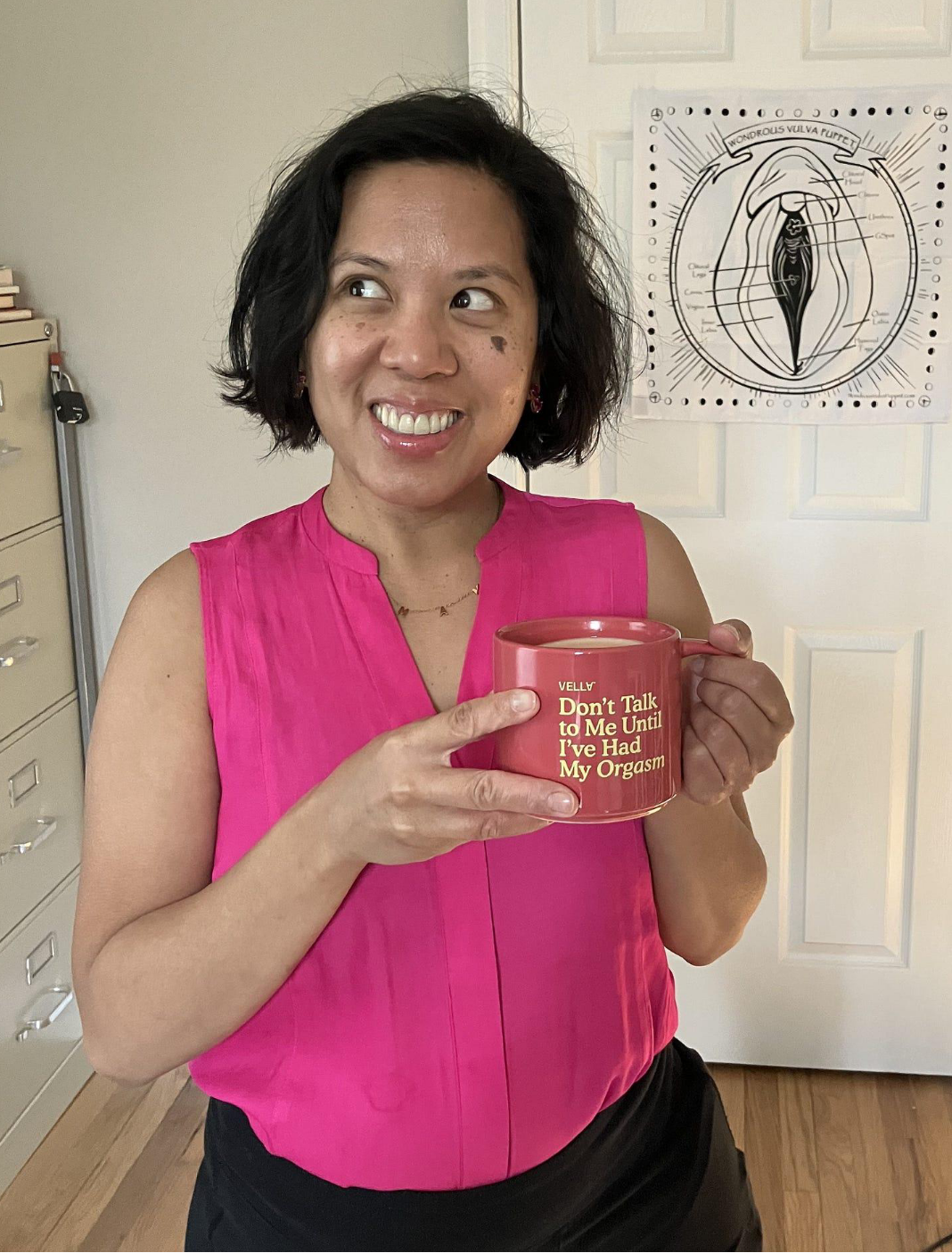
Let’s be real: talking about sex in therapy can feel... awkward. Even if you're open-minded and affirming, it’s totally normal to freeze up, stumble over words, or silently beg your client not to say anything too graphic. If you weren’t taught how to have these conversations (and most of us weren’t), it makes sense that you might feel unsure or hesitant.
But here’s the good news: it’s okay that it’s awkward—and it’s also okay to get better at it. You don’t need to be a sex therapist to talk about sex well. You just need some support, a little language, and the willingness to show up with curiosity. This post is here to help with that
Foundational Books Every Therapist Should Read
1.
Come As You Are by Emily Nagoski
This is the modern gold standard for understanding sexual desire, arousal, and how context impacts our experience of sex—especially for
women and AFAB individuals. Nagoski blends science, empathy, and real-world insight beautifully.
2.
Sexual Intelligence by Marty Klein
This one of those books that helps you rethink the whole conversation around sex. He’s smart, direct, and kind of hilarious, and he really gets how much anxiety people carry into the bedroom. It’s great for helping clients (and us) focus less on “doing it right” and more on what actually feels good and meaningful.
3.
What Every Mental Health Professional Needs to Know About Sex by Stephanie Buehler
This book has been essential for my foundation as a sex therapist. It’s clear, practical, and clinically focused—perfect for generalist therapists who want to talk about sex without becoming sex therapists. Buehler covers everything from anatomy to sexual dysfunction to how to actually start the conversation, all with warmth and zero shame.
Training and Continuing Education
AASECT Certification & CEUs
The American Association of Sexuality Educators, Counselors and Therapists (AASECT) offers a wide range of trainings—even if you’re not pursuing certification, their workshops and CEUs are rich and reputable.
Buehler Institute
Run by Dr. Stephanie Buehler, this institute offers sex therapy courses and online intensives specifically designed for generalist therapists.
Modern Sex Therapy Institutes
They offer robust programs for clinicians looking to deepen their competence in sex-related concerns, including kink, porn use, trauma, and LGBTQIA+ affirming therapy.
Sexual Health Alliance
This a top-notch resource for therapists wanting solid, inclusive training in sexual health. Their programs are AASECT-approved, flexible, and led by some of the best in the field. I’m planning to do a few programs here and heard it’s wonderful place to build connection and community.
Tools for the Therapy Room
- Planned Parenthood’s Sexual Health Glossary A helpful, inclusive glossary of terms that can support you in using affirming language with clients.
- The Sexual Attitude Reassessment (SAR)
Not a tool per se, but an experience all therapists should consider. These workshops help clinicians examine their own
biases, reactions, and blind spots around sexuality. - Yes, No, Maybe Lists (e.g. Scarleteen or AASECT versions)
Great conversation starters for exploring boundaries, desires, and preferences in sessions—especially with couples or clients navigating shame. - The Wheel of Consent (from Betty Martin’s work)
A game-changer for understanding giving, receiving, taking, and allowing. Highly recommended for somatic and relational work.
How to Start Bringing It Into Your Practice
If you’re just starting out, here are a few gentle ways to begin integrating sex-positive work into your sessions:
- Normalize sexuality from the intake form onward. Include questions about sexual health, identity, and satisfaction, so clients know it’s a safe topic.
- Reflect on your own comfort level. What are you afraid to talk about? Where did you learn that fear? Doing your own sexual self-awareness work is part of being an ethical therapist.
- Use inclusive language. If you don’t know how a client defines their gender, their relationship structure, or their desires, ask. Stay curious, not prescriptive.
- Don’t wait for clients to bring it up. Ask open-ended questions about intimacy, pleasure, and desire the same way you would about work, sleep, or relationships.
There’s so much more to explore—this is just the beginning. Whether you're brand new to this work or already deepening your sexual literacy,
what matters most is your willingness to stay curious, keep learning, and create space for these conversations in the therapy room.
In a future posts, I’ll be sharing empowering knowledge to help people embrace sexuality as well as how to talk about it. Learning about sex and sexuality can be amazing and liberating. I’m excited that we’re going on this journey together.
If you're a fellow therapist looking for support, you can always contact me for questions. Also, I have some availability for new clients. My extensive EFT and sex therapy training is transforming the relationships with many of my clients for the better. Before we part ways, please knowI’m always happy to share resources and would genuinely enjoy connecting—feel free to reach out.
Warmly,
Lisa Strube LPC, CRC, CST
lisa.strube.lpc@gmail.com
Recent Posts